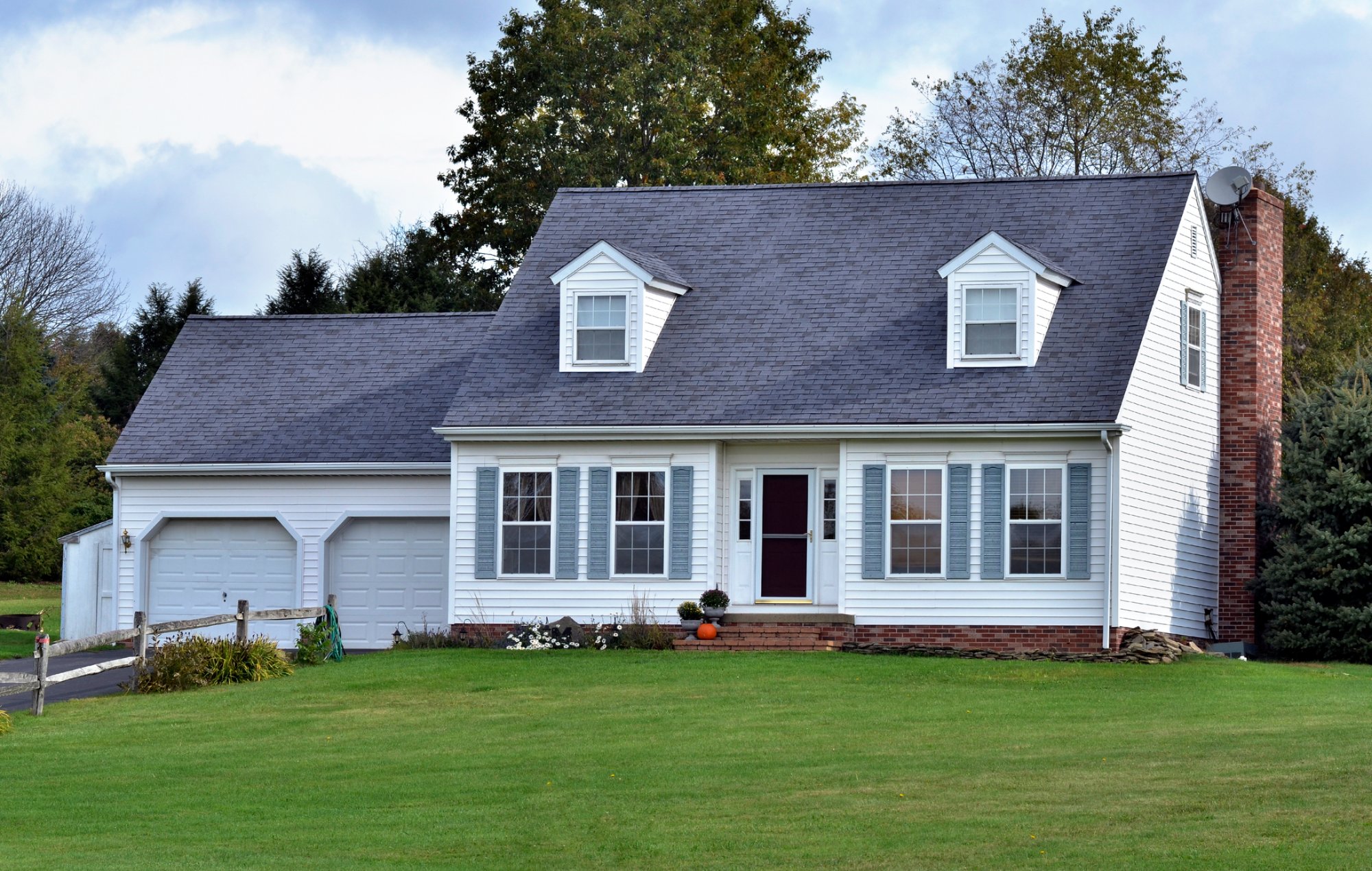
A roof here takes more abuse than almost anywhere else in the continental US - ice dam cycles every winter, snow loads that can exceed 60 psf at elevation, UV that accelerates shingle aging faster than at sea level, and freeze-thaw cycling that stresses every flashing transition repeatedly for decades.
Getting it right requires the right material for your roof, the right installation details for our climate, and an installer who understands why each of those details exists. Forthright installs all three residential roofing systems and backs every installation with a workmanship warranty that's four to five times the industry standard.
Choose Your Roofing System
Asphalt Shingles
The proven, cost-effective choice. Owens Corning Duration series, 10-year workmanship warranty, proper installation details. $8,000-$18,000 for a typical home.
Standing Seam Metal
The best long-term option for our climate. Natural snow shedding, 50+ year lifespan, hidden fasteners, virtually no maintenance. Particularly right for homes with ice dam history. $18,000-$40,000+.
EPDM Rubber
The right solution for flat and low-slope sections - additions, sunrooms, garage roofs. Fully adhered, properly flashed, 20-30 year lifespan. Handles thermal movement well.
Installation Standards
Every Forthright residential roof replacement includes the details that separate a properly installed roof from one that looks right until the first ice season:
- Ice-and-water shield from eave edge to a minimum of 24" past the interior wall line - further on homes with ice dam history
- Synthetic underlayment over the full roof deck as a secondary water barrier
- Drip edge at eaves and rakes to prevent water wicking under shingle edges
- Attic ventilation assessment before every job - we flag deficiencies that cause premature failure
- Step flashing at all wall intersections, pipe boots at penetrations, counter flashing at chimneys
- Stainless steel or hot-dipped galvanized fasteners throughout
Common Questions
- Asphalt shingles vs standing seam metal - which is right for my home?
- Should I repair or replace my roof?
- How long does a roof replacement take?
- What is Forthright's workmanship warranty?
Asphalt shingles cost less upfront ($8,000-$18,000 for a typical home) and are easier to repair, but have a shorter lifespan of 20-30 years. Standing seam metal costs more ($18,000-$40,000+) but can last 50 years or more, sheds snow naturally, and handles freeze-thaw cycles with almost no maintenance. For homes with steep pitches, heavy snow loads, or ice dam history - standing seam is often the better long-term investment. For homeowners on a tighter budget or planning to sell within 10 years, architectural asphalt shingles are a solid, proven choice.
Under 10 years old with isolated damage - repair is usually the right answer. 15 to 20 years old with widespread granule loss, multiple failed flashings, or recurring leak points - replacement is almost always more cost-effective. Over 20 years old on standard architectural shingles - start planning for replacement regardless of current condition. We give you a straight assessment at the estimate visit, not a sales pitch for replacement when repair is adequate.
Most residential shingle replacements take one to three days. A straightforward ranch with easy access can often be done in a single day. A steeply pitched colonial with dormers and skylights takes two to three days. Standing seam metal runs two to four days. Total project timeline from signed contract to completion is typically two to four weeks, accounting for material lead time and scheduling.
10 years on all asphalt shingle installations. 3 years on standing seam metal. This covers installation defects - any leak or failure attributable to how the roof was installed, not material defects or storm damage. Our shingle warranty is 4 to 5 times the industry standard of 1-2 years. We offer it because we're confident in how we install.